You pull open a drawer. It wiggles. Maybe the front is starting to droop. If that happens, you already get why some cabinets are just built different.
That difference is craft cabinetry.
It’s not a fancy label or marketing term. It means a fundamentally different approach to building these cabinets. With solid wood, traditional joinery, and construction methods that hold up longer than your mortgage.
This guide shows you what sets craft cabinetry apart. Why it costs more. And why, most days, it’s worth every penny.
What is Craft Cabinetry?
Craft cabinetry means cabinets built the right way. Premium wood. Tough construction. Traditional techniques you don’t find in cheap, mass-produced boxes.
These aren’t made to crank out fast and forget. They’re made to perform. To last. To look good year after year. Function and finish both matter here—not just speed.
Unlike many stock cabinets made from particleboard or low-grade materials, craft cabinetry often includes:
- Solid wood face frames
- 3/4-inch plywood cabinet box construction
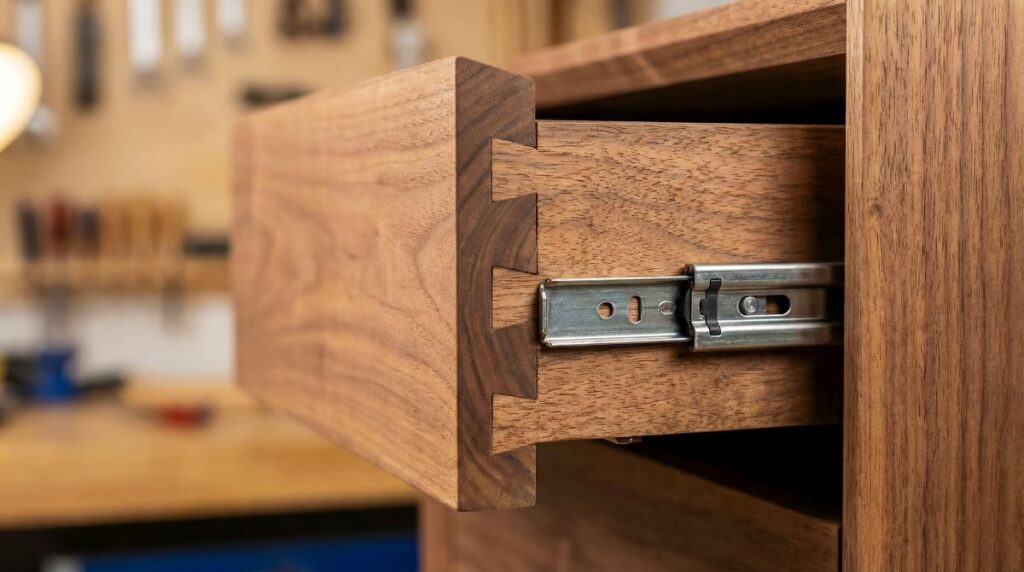
- Dovetail joints
- Mortise and tenon construction
- Soft close hinges
- Full extension drawer systems
- Natural wood veneer finish options
- Hand-applied finishes
The focus is on structural integrity, usability, and timeless craftsmanship.
Why Homeowners Are Choosing Craft Cabinetry
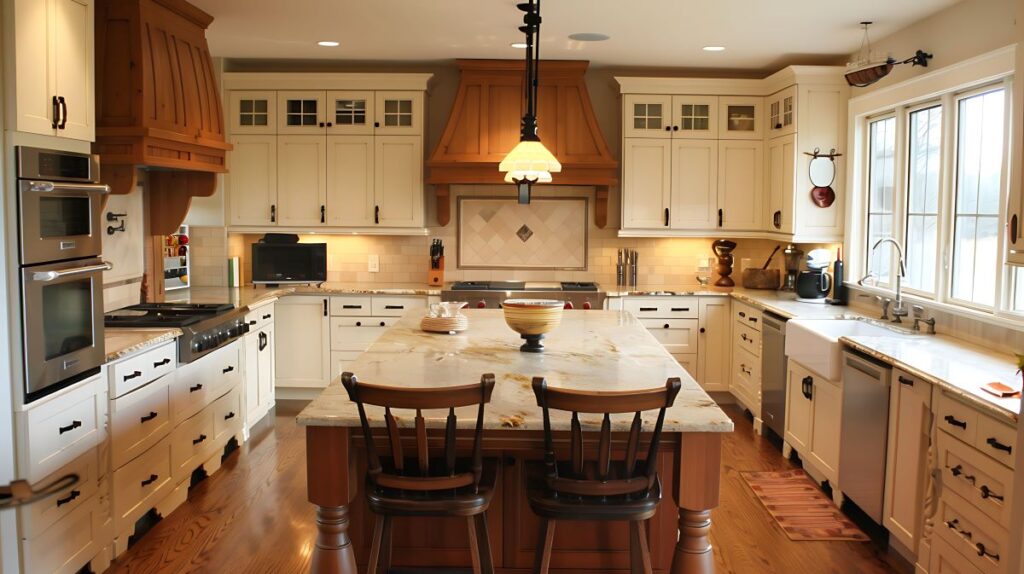
Many homeowners have stopped buying builder-grade (stock cabinets) cabinets. There’s a good reason. Those cheap ones just don’t last. After a few years, doors start sagging. Drawers stick or won’t close right. Finishes peel and chip. Get a little moisture near the sink, and the whole thing swells up like cardboard in the rain.
Craft cabinetry solves those problems. And it comes with some real long-term payoffs.
Better Durability
Good cabinets are constructed with good materials. Think birch solid wood. Think plywood instead of particleboard. Builders use strong joinery. Not glue and staples. All this creates cabinets that can hold up for decades, not just a few seasons.
Improved Functionality/Full Extension Systems
Modern craft cabinetry incorporates features that improve everyday convenience, including:
- Adjustable shelves
- Soft close under mount drawer systems
- Full extension runners
- Roll-out trays
- Vertical dividers
- Better storage organization
The result is smoother operation and a better user experience overall.
Timeless Design
Well-designed cabinetry doesn’t go out of style quickly. Whether you prefer a modern kitchen or something more traditional, craft cabinets are designed to harmonize beautifully with different home styles.
Long-Term Investment Value
Quality cabinetry is often considered a lifetime investment. Properly maintained cabinets can last 25 years or more. They are a smarter long-term option than replacing low-quality cabinets every decade.
The Origins of Craft Cabinetry
Craft cabinetry traces back to the Arts and Crafts movement. The movement emerged as a reaction against mass-produced Victorian-era furniture and decorative excess.
The philosophy emphasized:
- Honest construction
- Visible joinery
- Natural materials
- Functional design
- Handmade quality
Old-school cabinet makers didn’t hide how they built things. They showed it off. Dovetail joints and mortise-and-tenon connections weren’t just strong. They looked elegant. Those details told you someone cared. They became little signatures of quality baked right into the wood.
That same philosophy still influences premium cabinetry today.
Popular Craft Cabinetry Styles
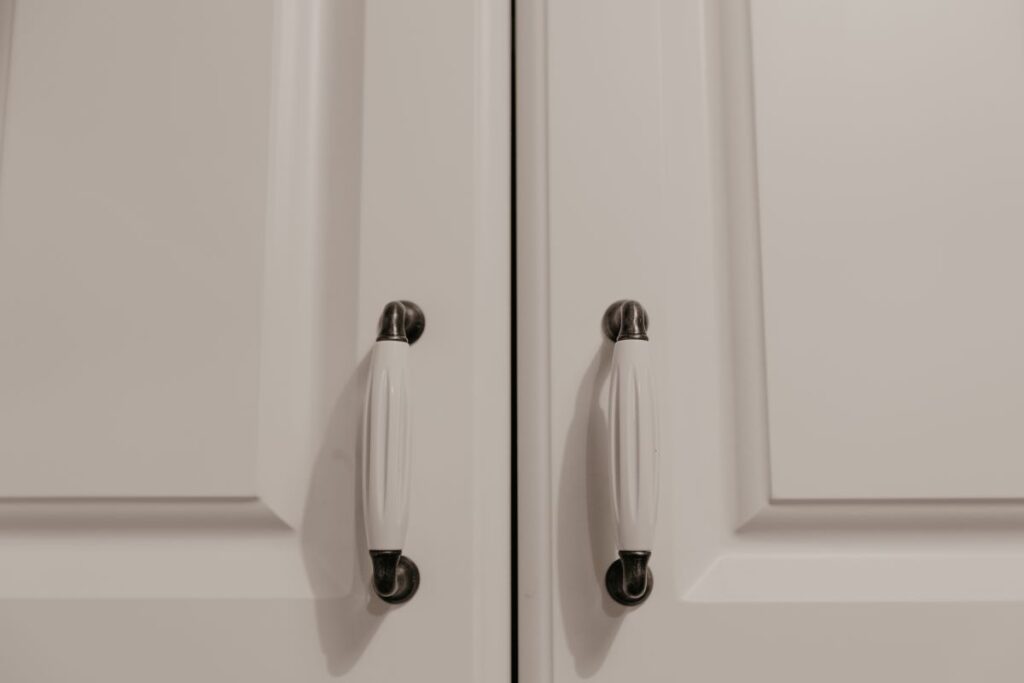
The style you pick for your cabinets changes how your whole kitchen looks and feels. Some designs never really go out of fashion. People keep coming back to them because they work with almost anything—and they just look right, year after year.
Shaker Style Cabinets
Shaker cabinets continue to dominate kitchen remodeling projects for good reason.
They feature:
- Clean lines
- Minimal detailing
- Recessed center panels
- Simple geometric design
Their simplicity works well in:
Modern kitchens
Transitional spaces
Farmhouse designs
Contemporary homes
Many homeowners pair full overlay doors with a painted white finish for a fresh and stylish appearance. Full overlay doors mean the door showcases the wood grain and finish without large gaps of exposed frame.
Shaker style drawer fronts also work well with a wide range of countertop and backsplash materials.
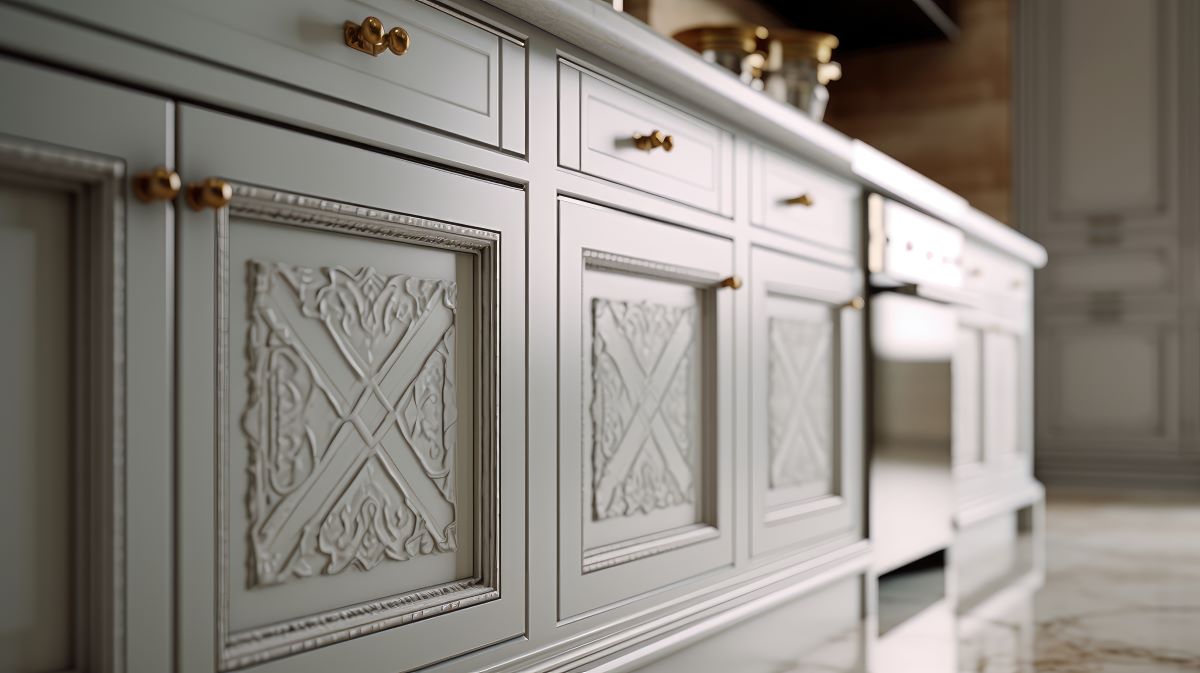
Recessed Panel Cabinets
Recessed panel cabinetry features a flat edge banded panel or framing.
This design creates:
- A more classic appearance
- Added depth and texture
- Traditional aesthetic appeal
These cabinets work especially well in:
Traditional homes
Transitional kitchens
Craftsman-style interiors
Framed vs Frameless Cabinets
Homeowners often compare framed and frameless cabinetry during remodeling projects.
| Feature | Framed Cabinets | Frameless Cabinets |
|---|---|---|
| Structure | Face frame added | No face frame |
| Appearance | Traditional | Sleeker, modern |
| Strength | Very durable | Efficient storage access |
| Installation | Slightly more rigid | Precise alignment needed |
Craft cabinetry frequently uses framed construction. Because it adds additional strength and durability.
Materials That Define High-Quality Craft Cabinetry
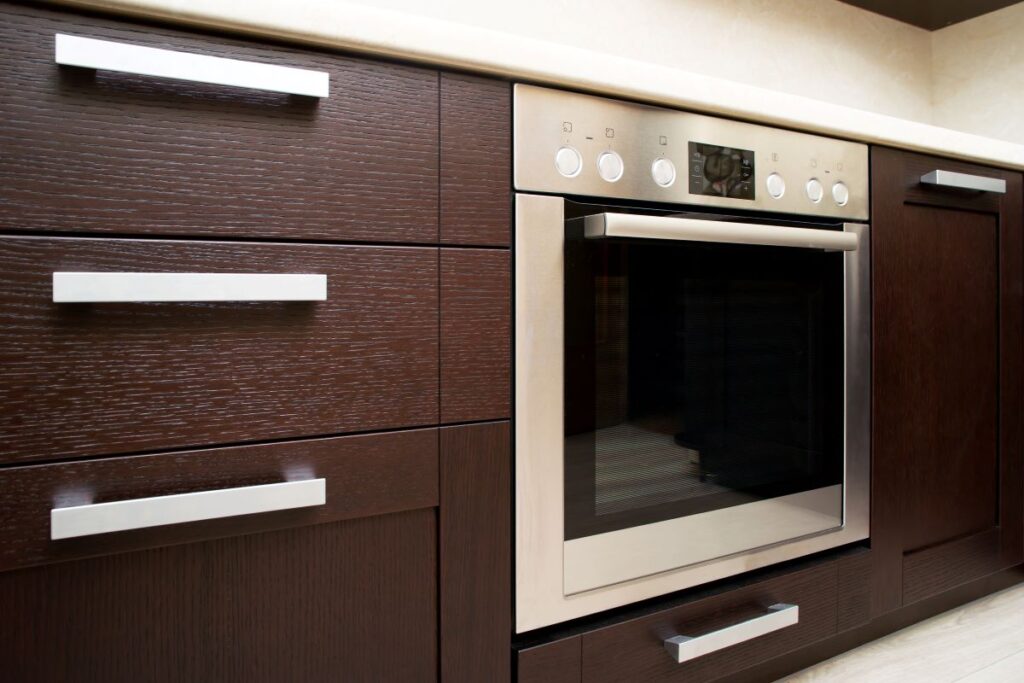
The materials used in cabinetry directly affect longevity, stability, and performance.
Solid Wood Cabinets
Premium cabinets often use solid wood drawer boxes, doors, and face frames.
Benefits include:
- Better structural stability
- Natural warmth
- Improved durability
- Rich grain patterns
- Easier refinishing over time
Solid wood also adds a character that synthetic materials can hardly replicate.
Birch Wood Craftsmanship
Birch wood is still one of the most popular materials in craft cabinetry.
Why homeowners and contractors like birch wood:
- Strong and durable
- Smooth grain appearance
- Takes finishes well
- Works beautifully with natural wood veneer finish applications
Birch solid wood is commonly incorporated into:
Drawer box construction
Face frames
Doors
Cabinet interiors
Its durability and elegance make it ideal for both painted and stained cabinetry.
Plywood vs MDF vs Particleboard
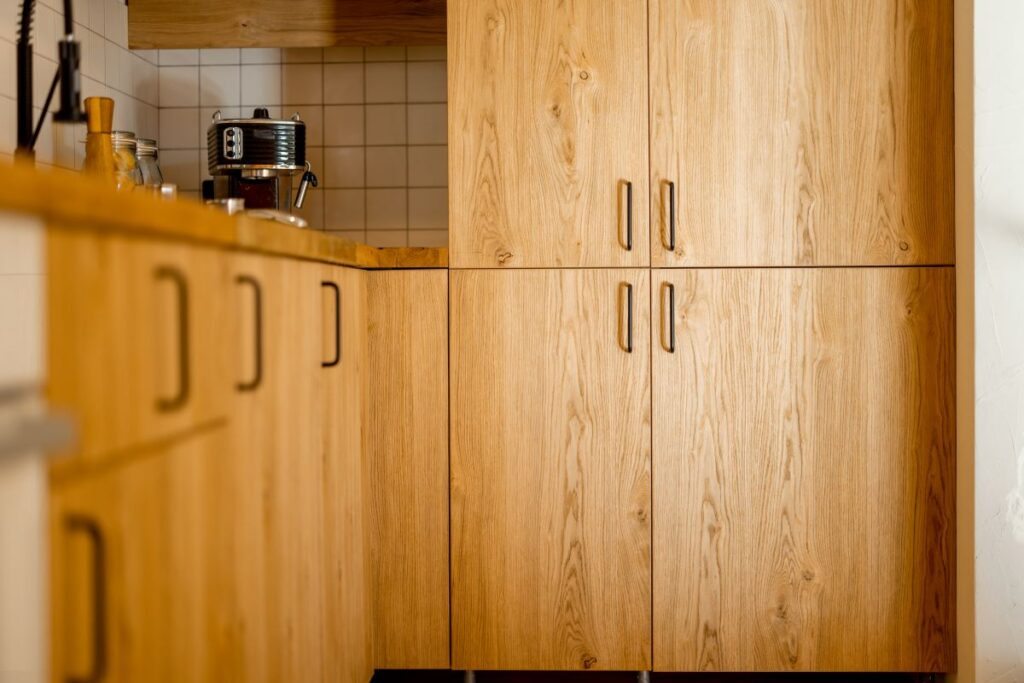
One of the biggest quality differences in cabinetry comes down to the cabinet box material.
Why Plywood Is Preferred
Many premium cabinet systems use 3/4-inch plywood because it offers:
- Better moisture resistance
- Stronger screw holding
- Improved structural integrity
- Longer lifespan
Where MDF Can Still Be Useful
An MDF center panel may still be incorporated in some cabinet doors because it provides:
- Smooth painted finishes
- Reduced expansion and contraction
- Cost efficiency
However, high-quality cabinetry typically avoids relying heavily on particleboard for major structural components.
Construction Features That Matter Most
Good cabinetry isn’t just about appearance. The construction process determines how well cabinets hold up after years of opening, closing, humidity, and daily use.
Dovetail Joints
Dovetail joints are interlocking wood connections commonly used in drawers.
Benefits include:
- Additional strength
- Better durability
- Resistance to pulling apart
- Higher-end craftsmanship
Quality drawer systems with dovetail joints typically last far longer than stapled or glued drawer construction.
Mortise and Tenon Construction
Mortise and tenon construction is a traditional woodworking method known for exceptional strength.
It involves:
- One wood piece fitting into another precisely
- Stronger joint stability
- Improved structural integrity
This type of joinery reflects timeless craftsmanship and is still widely respected in premium cabinetry manufacturing.
Soft Close Hardware and Smooth Operation
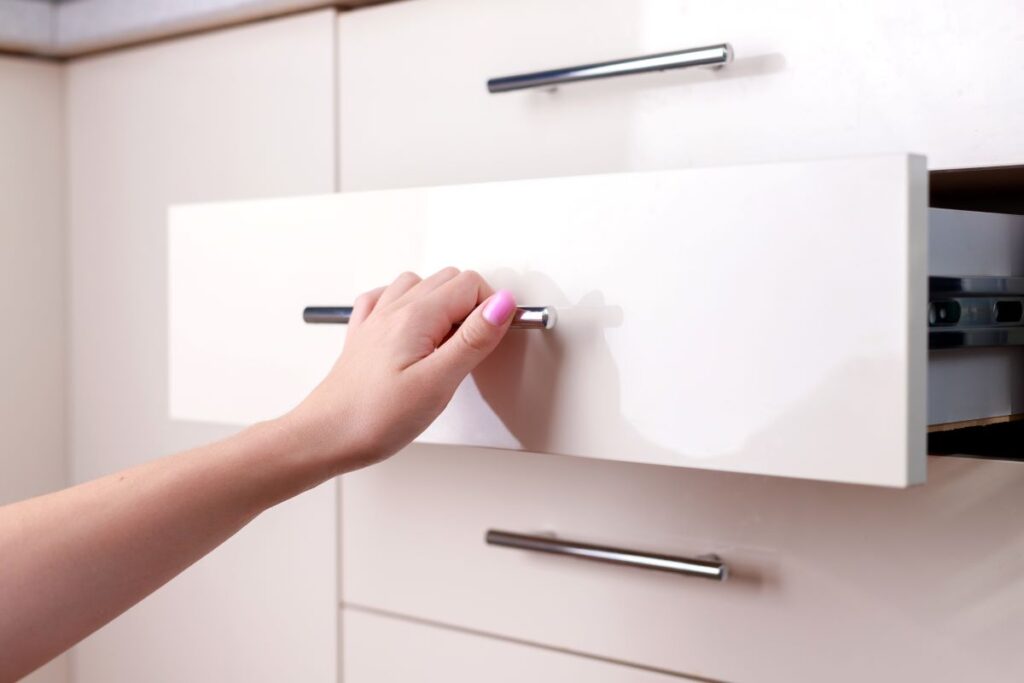
One feature homeowners immediately notice is soft close functionality.
Modern craft cabinetry is often equipped with:
- Soft close hinges
- Soft close under mount glides
- Extension runners
- Adhesive clear door bumpers
Benefits include:
- Quiet operation
- Noise reduction
- Reduced wear and tear
- Enhanced user experience
Drawers glide effortlessly. Doors close smoothly. And the overall design of a kitchen feels more refined.
Functional Storage Solutions Homeowners Love
Beautiful cabinets matter, but functionality matters just as much.
Good cabinetry design means a kitchen that works better every day.
- Adjustable Shelves
- Adjustable shelves provide flexibility for:
- Tall cookware
- Small appliances
- Pantry items
- Seasonal storage
This simple feature greatly improves convenience.
Roll-Out Trays and Vertical Dividers
Custom functionality often includes:
- Roll-out trays
- Pull-out organizers
- Vertical baking sheet dividers
- Spice storage systems
These additions maximize space and improve workflow.
Integrated Lighting Options
Task lighting can dramatically improve usability.
- Popular options include:
- Under-cabinet lighting
- LED strip lighting
- Interior cabinet illumination
These features help brighten workspaces while adding warmth and elegance to the room.
Craft Cabinetry vs Stock Cabinets
Homeowners comparing cabinet options should understand the major differences between premium craft cabinetry and lower-cost stock cabinets.
| Feature | Craft Cabinetry | Stock Cabinets |
|---|---|---|
| Materials | Solid wood, plywood | Particleboard common |
| Fit | Built to precise dimensions | Standard sizing |
| Joinery | Dovetail, mortise construction | Basic fasteners |
| Hardware | Soft close systems | Basic hinges/slides |
| Lifespan | 25+ years | Often shorter |
| Storage Options | Highly customizable | Limited |
| Finish Quality | Multi-step durable finishes | Basic factory finishes |
Custom cabinetry also reduces the need for filler strips because cabinets can be designed around the exact dimensions of the space.
Common Mistakes Homeowners Make When Buying Cabinets
Choosing Based Only on Appearance
Beautiful doors don’t always mean quality construction.
Always evaluate:
- Cabinet box material
- Drawer construction
- Hardware quality
- Finish durability
Ignoring Hardware Quality
Cheap hinges and slides fail quickly.
Look for:
- Soft close hinges
- Full extension systems
- Quiet operation
- Durable metal brackets
Not Planning Storage Properly
A kitchen may look beautiful but still function poorly.
Think about:
- Workflow
- Appliance placement
- Pantry access
- Trash storage
- Deep drawer organization
Effective cabinetry design should improve the way the space actually works.
Why Professional Installation Matters
Secure and easy installation matters. Because even premium cabinets can perform poorly if installation is rushed or uneven.
Professional installation ensures:
- Proper alignment
- Secure mounting
- Smooth and quiet operation
- Level cabinet placement
- Long-term durability
Many systems also include:
- Hang rail supports
- Easy installation hardware
- Reinforced mounting systems
Working with experienced contractors helps avoid expensive installation mistakes.
Tips for Choosing the Right Craft Cabinetry
Before purchasing cabinetry, ask these questions:
Is the cabinet box plywood or particleboard?
Are dovetail joints included?
Are the drawers full extension?
Is soft close hardware standard?
What finish protection is used?
Are door samples available?
What is the estimated delivery timeline?
Reputable companies let you order door samples. Ask them to ship it before the final order. Photos don’t show how grain, color, and finish look in your actual kitchen light.
Maintenance Tips for Long-Lasting Cabinets
Even nice cabinets need some looking after. Don’t overthink it. Just don’t ignore them.
Cleaning Tips
- soft microfiber cloth works fine
- don’t use abrasive junk
- spills happen. wipe ’em fast.
- Protect Against Moisture
- turn the vent fan on when you cook
- puddles on the counter? dry them up
- humid rooms are tough on wood. watch that.
Maintain Hardware
- hinges get loose. tighten every so often.
- drawer tracks fill up with crumbs. clean ’em out.
- glides need a look now and then. takes two minutes.
Little bit of care. Cabinets stay nice. No big secret.
Frequently Asked Questions About Craft Cabinetry
What makes craft cabinetry different?
Mass-produced cabinets cut corners. Craft cabinets don't. Better wood. Stronger joints. Finishes that actually stick around.
Are solid wood cabinets worth it?
Yeah, mostly. You pay more up front. But you can refinish them later. Cheap ones just go in the dumpster. Solid wood wins over time.
How long does craft cabinetry last?
Built right? Twenty five years. Maybe more. Take care of it, and it'll outlive your fridge. Probably your dishwasher too.
What are dovetail joints?
Look at a good drawer corner. See those interlocking fingers? That's a dovetail. Strong as hell. Staples aren't.
Is plywood better than particleboard for cabinets?
No contest. Plywood handles water better. Holds screws tighter. Stays straight. Particleboard swells up the second it gets wet. Then you're cooked.
Are soft close hinges worth it?
Yes. Every time. No slamming. Less wear on the doors. And honestly? Just feels nicer. You don't realize how much you hate loud cabinets until they're quiet.
Final Thoughts on Craft Cabinetry
Picking cabinets is a big deal. One of the biggest choices in a kitchen remodel. Get it right, and everything works better. More storage. Less hassle. A room you actually like being in.
That’s why people keep coming back to craft cabinetry. Solid wood. Plywood boxes. Dovetail joints. Stuff that’s built to last, not just look good for a photo.
Shaker style? Classic. Recessed panel? Also great. Pick whichever you like. Just don’t forget what’s underneath the paint. Quality matters more than what’s trendy this year.
Thinking about new cabinets? Or a full kitchen upgrade? All One Kitchen can help. We’ll walk you through styles that actually work for your house. Not just pretty. Functional. Tough. Worth the money.
Reach out when you’re ready.