
You run your hand over your kitchen cabinets, and it comes off greasy? It’s those little splatters from frying up bacon or wiping oily hands that are accumulating over time, making everything stick. Figuring out how to remove grease from kitchen cabinets isn’t difficult – grab some basics from under the sink and keep your space looking its best without having to call in the pros just yet:
Why There Is Grease on Kitchen Cabinets
Cooking with oils starts most of the trouble and releases steam grease particles floating in the air, landing on the surface of cabinets especially around the stove. Before you know it, grease mixes with the dust and becomes hard-to-bother-with grease. Wiping down kitchen surfaces such as cabinets on a regular basis prevents that layer from getting out of hand.
I’ve seen it in my own kitchen – handles and edges near countertops take the worst of it from daily handling. A quick wipe once each week will keep the greasy kitchen cabinets from looking dingy and save you a lot of scrubbing down the track.

Remove Grease off of Kitchen Cabinets with Dish Soap
Nothing beats dish soap when it comes to cutting grease through the day to day grime on kitchen cabinets. Dawn dish soap mixed with warm water will do the trick for greasy kitchen cabinets – cheap, picks up the grease and washes away clean. Just put in a few drops to a bowl full of warm water and you’re ready to degrease cabinets without all the fuss.
Mixing the Perfect Solution
Keep it Simple: warm water + a few drops of dish soap. Stir together into a cleaning solution. The best approach to cleaning greasy cabinets is scrubbing them with a soft rag or non-abrasive sponge and the mixture of Dawn dish soap and warm water. Do a spot test in an out-of-sight location before hitting the big one – better safe than sorry if you plan on finishing something fairly picky.
Wiping Using Microfiber Cloths
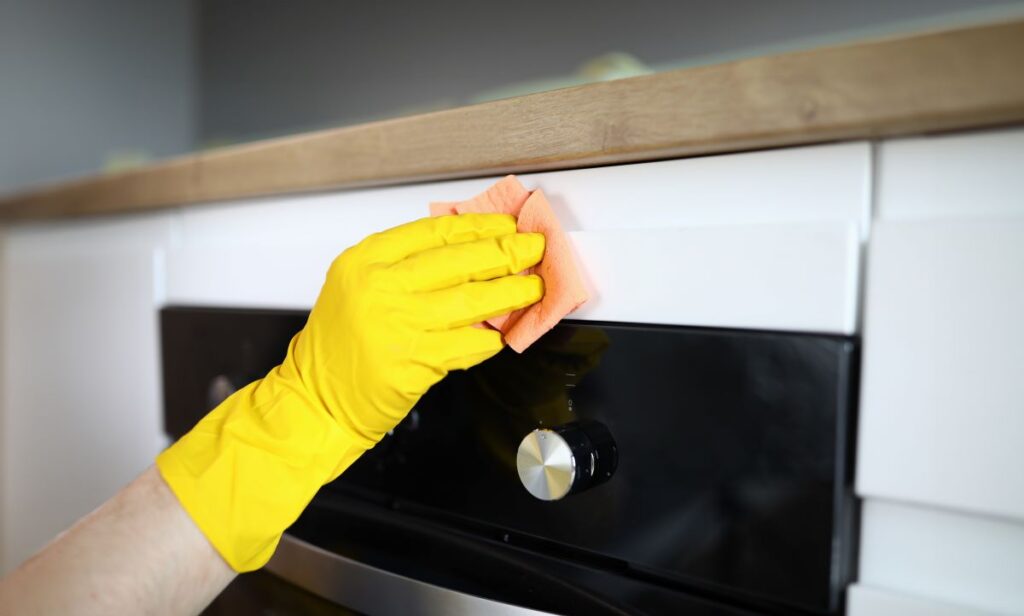
Grab microfiber cloths – these are gentle and work well to pick up the grease without scratching wood cabinets or painted ones. Microfiber cloths are recommended for kitchen cabinets cleaning because they hold dust and oil more effectively than cotton rags. Wring it out good to skip excess moisture, wipe in circles on cabinet surfaces and then dry fast.
Baking Soda Paste to Degrease Cabinets
When sticky grease laughs at soap, baking soda comes to the rescue with a paste that breaks it down, when. Baking soda can be used by mixing together water to make a paste that can help lift those tough grease stains and scum from your kitchen cabinets – two parts baking soda to one part water for that perfect scrubby mixture. A paste of two parts baking soda to one part water can be used to tackle stubborn grease spots on kitchen cabinets and let it sit to bring up the gunk.
Applying to Wood Cabinets
Dab it down on the tough grime and wait 10 minutes or so and then scrub with a soft brush or sponge. Baking soda can be used to make a paste that helps to lift stuck-on grease that works into the wood grain without harsh chemicals. Wipe off with a damp cloth, paying special attention dry thoroughly to protect sealed surfaces.
Reaching Corners with a Toothbrush
Those sneaky corners, crevices, around handles? A soft toothbrush is dipped in the paste and scrub out the particles of grease, hiding there. It gets in where a rag doesn’t and doesn’t require any extra elbow grease. Rinse lightly and dry it all immediately in order to maintain a pristine condition.
Distilled White Vinegar, for Sticky Grease
Vinegar’s My Secret Weapon for Greasy Spots Distilled white vinegar mixed with dish soap is a potent cleaning agent to grease on your kitchen cabinets. For a tougher stuff, mix equal parts white vinegar and warm water, but always spot test first. For tough grease, a solution of equal parts white vinegar and warm water may be used, but vinegar should be tested on a hidden area first to be sure of no surprises.
Safe Use on Sealed Surfaces
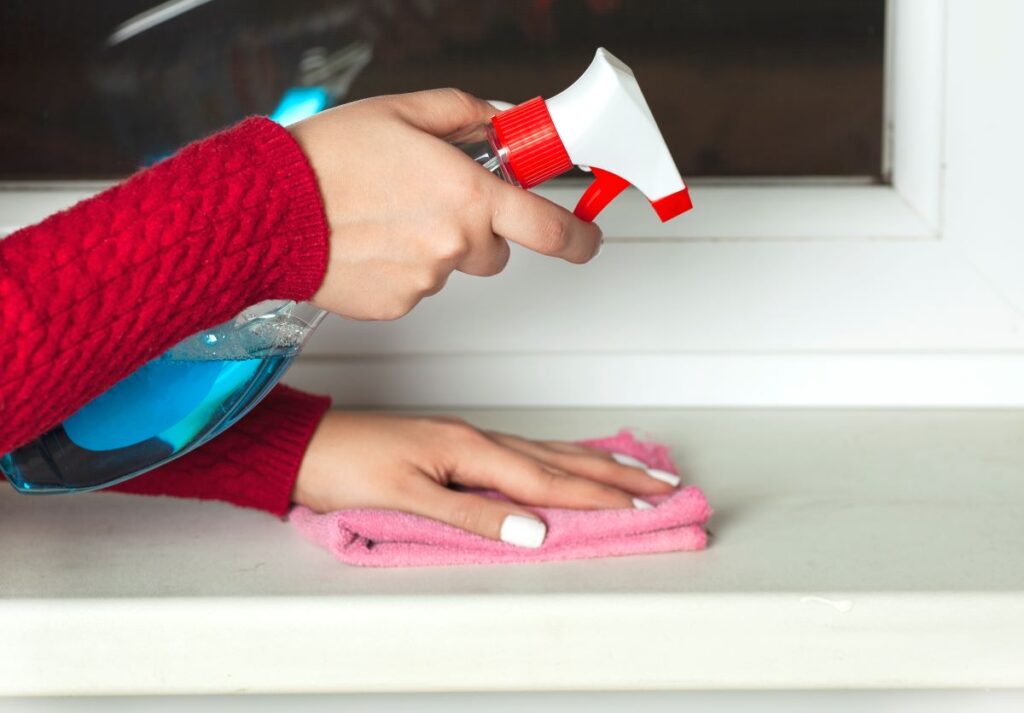
Squirt the mixture, allow it to stand for a little time to break up the oil and grease, and then wipe with a soft rag. Mix distilled white vinegar and dish soap and it will make a good cleaning solution for grease on kitchen cabinets – and crafty too. It’s inexpensive and leaves kitchen surfaces fresh with no weird smells hanging around.
Avoiding Excess Moisture
Damp is your friend, soaking wet is not – wet that cloth well before coming in contact with wood cabinets. Wood cabinets are absorbent and may warp or crack if exposed to excessive moisture so pat dry immediately. Control moisture – use a damp cloth instead of a soaking wet cloth when cleaning wood cabinets to ensure that they will not discolor down the road.
Clean Kitchen Cabinets with Citrus Oils & Wipes
Love how citrus oils cut through grease-they have acidic nature which cuts through grease like a charm-especially when combined with soap. Citrus Oils are great in cleaning grease because of the acidic properties that help to break down grease, a few drops in your dish soap mix and it doubles in potency. Citrus oils can be efficient in the cutting through of grease due to their acidic properties when combined with the soap for that zesty clean.
Dawn Powerwash for Stovetop Areas
Near the stove where grease impacts the most, Dawn PowerWash is sprayed on and wiped off with no rinsing required. Tub O’ Towels Heavy Duty Cleaning Wipes Tidy up stuck on grease without a lot of scrubbing – get one for easy fixes on handles or edges. They process sticky grease quickly, without the need for mixing bowls.
| Cleaning Method | Best For | Key Ingredients | Pros | Cons |
|---|---|---|---|---|
| Dish Soap Mix | Everyday wipe-downs | Dawn + warm water, a few drops | Super cheap, rinses easy | Might need repeat for heavy spots |
| Baking Soda Paste | Tough grime, stains | Baking soda + one part water | Lifts stuck-on oil naturally | Takes a little waiting and scrub |
| Vinegar Solution | Sticky buildup | Distilled white vinegar + soap | Cuts grease quick, no residue | Always spot test on wood |
| Citrus Oils/Wipes | Stovetop grease | Oils or Tub O’ Towels | Low effort, fresh scent | Wipes cost more upfront |
Wood Cabinets Cleaning Tips
Wood cabinets are deserving of kid gloves – with a solution of diluted Murphy’s Oil Soap, cleaning can be done without sticky residues and damage to the finished surfaces. It is important to use a gentle cleanser that will not damage the protective finish on wood cabinets, as it can avoid oven cleaner or harsh chemicals. Microfiber cloths are recommended for cleaning of kitchen cabinets to avoid any chipping paint and damage to the surface to keep that nice look.
Weekly Wipes vs. Deep Cleans
Hit your cabinets regularly with quick wipe down of damp cloths on a weekly basis to ward of grease and dust. Deep cleaning kitchen cabinets once or twice a year can help maintain its appearance, but wiping down cabinets weekly can help keep them grease free, too. It is recommended to wipe down cabinets once or twice a year to avoid massive buildup of grease – mix in those quick weekly passes for the win.
Regular maintenance can help with the longevity of kitchen cabinets and give them a fresh appearance, even tie-in with countertops for full coverage of kitchen surfaces.
Mistakes to Avoid while Cleaning
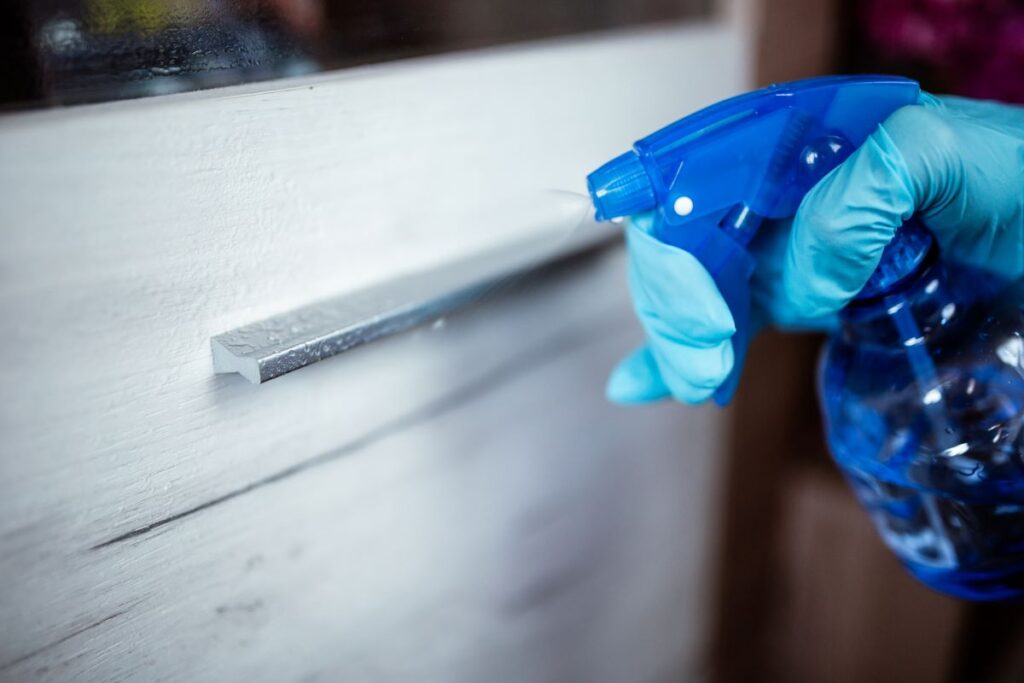
Skip the soaker – Did you know too much moisture can lie on your cabinets over time and discolor or warp them if you don’t dry off quickly? So, don’t use abrasive pad, steel wool or harsh chemicals when distributing the cleaning solution on the kitchen cabinets to avoid any damage on its finish. – no shortcuts over there. Cleaning solutions should always be tested in an inconspicuous spot before the whole process is finished as they may cause discolouration or damage, and a dry cloth pass should always be used after.
Immediate drying of cabinets once they are cleaned is vital to avoid water damage – don’t let puddles sit!
Conclusion
At the end of the day, getting grease off kitchen cabinets is a matter of smart mixes from dish soap to warm water to create an easy cleaning solution, to baking soda paste for stubborn areas, and vinegar for an extra cut – creating microfiber cloths and quick drying to prevent warping or fading of wood cabinets. Regular cleaning avoids grease build-up on kitchen cabinets, keeps kitchen surfaces to a shine and saves headaches later. If you’ve got tough grease and damage to your stumped by, connect with All One Kitchen – we’re your go to for cabinet repair and installs all over the USA.
How often should I wipe my kitchen cabinets?
Quick clean your cabinets–wiping down once a week will manage light grease and dust, and a deep clean once or twice annually will tackle the build-up. Regular cleaning can help retain the appearance of kitchen cabinets and avoid build-ups that can cause grease to accumulate and make everything look new for longer.
Can I use vinegar on cabinets wood?
Sure, diluted distilled white vinegar works great for degreasing – just mix with dish soap or water and spot test hidden spots first. It shines on sealed wood cabinets as long as you dry fast to skip any moisture woes.
What’s the Best Dish Soap for Grease?
Dawn takes the cake when it comes to greasy kitchen cabinets – mix with warm water for regular cleans, or grab Dawn PowerWash for stove-side heavy hitters. Dish soap with warm water is the affordable and effective way to clean kitchen cabinets hands down.
How to Clean Grease From Kitchen Cabinets without Cleaning Chemicals?
Whip up a paste made from two parts baking soda powder to one part water, slather on sticky grease, let it sit and then scrub and rinse. Baking Soda may be mixed with water to form a paste that helps get sticky grease off kitchen cabinets – pure pantry power.
Do microfiber cloths really work better?
You bet – they catch grease particles and dust without scratching, ideal for sensitive cabinet surfaces. Using microfiber cloths can help to avoid damage to cabinet surfaces when cleaning, far more so than with basic rags or sponges.
When to call pros such as All One Kitchen?
When DIY runs up against a wall of stubborn grime or warping due to old moisture damage, pros come in. Regular maintenance cleaning of kitchen cabinets to prevent the buildup of grease may make stains easier to remove, but for the big fixes, All One Kitchen’s got U.S.-wide cabinet repair covered.



Leave A Comment