Peeling paint. A door that won’t shut right. A cabinet base that’s gone soft. These aren’t just cosmetic issues — they’re signs of cabinet damage. And in most cases, the longer you leave it, the worse it gets.
If you’re dealing with damaged kitchen cabinets in New York or New Jersey, two things matter most right now: whether they can be fixed, and what it’s going to run you. All One Kitchen has handled cabinet repairs and restorations across NYC and NJ for over 15 years. This guide gives you straight answers.
What Counts as Cabinet Damage?
Not all cabinet damage is the same. Two categories — very different outcomes.
Surface damage stays on the outside. Scratches, stains, dents, peeling paint. The cabinet itself is still solid. These jobs are usually straightforward — repair the finish, done.
Structural damage is another matter. This is when the box, frame, or joints are compromised. Doors hang crooked. Shelves can’t hold weight. Drawers fall off their tracks. At this point you’re not just fixing its appearance— you’re fixing whether it works at all.
Most people wait. A wet area under the sink is ignored for some time. which can lead to major issues later. This is typically the time when a $300 repair becomes a $3000 issue. The cabinet breaks down, mold creeps in and what can be fixed can’t.
Which Cabinet Materials Are Most at Risk
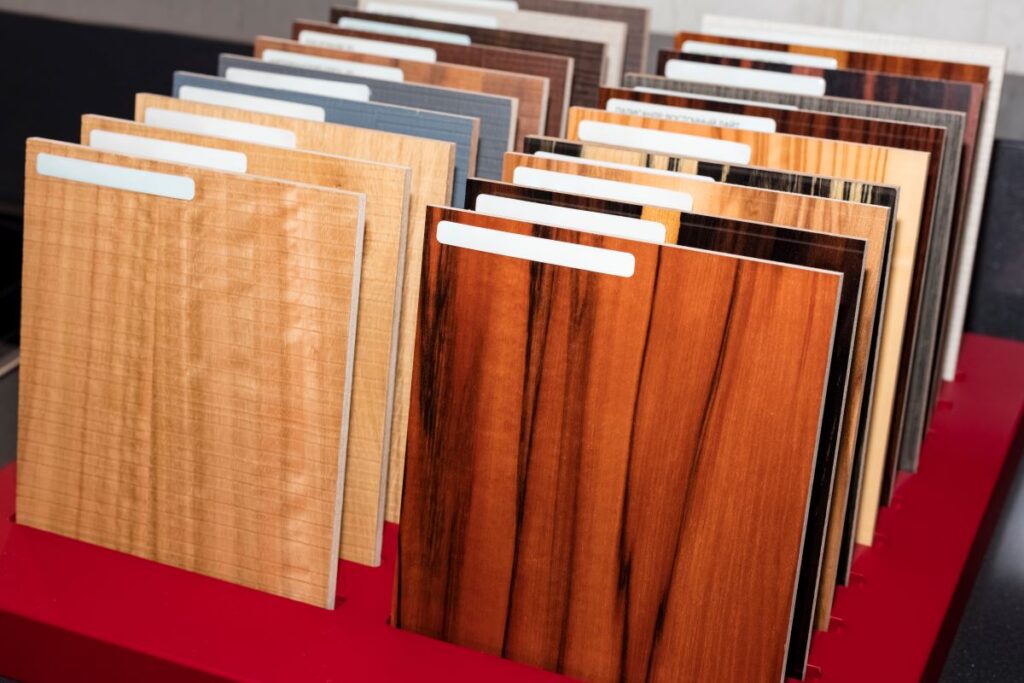
The material of your cabinets changes everything. They affect how they get damaged, how bad it gets, and whether repair is even worth it.
| Cabinet Materials | Moisture Risk | Heat Risk | Repairability |
|---|---|---|---|
| Solid Wood | Moderate | Moderate | Excellent |
| Plywood | Moderate | Moderate | Very Good |
| MDF | Very High | High | Limited |
| Particleboard | Very High | High | Limited |
| Laminate | High | Medium | Moderate |
| Thermofoil | High | Very High | Limited |
Solid wood and plywood are tough. They can take damage and still be repaired. Particleboard and MDF? Not so much. Water gets in and they swell up — permanently. You can’t dry them back to shape. If your cabinets are particleboard and they’ve soaked up real water damage, new cabinets are likely where you’re headed.
Common Causes of Damaged Cabinets
Water Leaks and Moisture Damage
Water causes more cabinet damage in NYC and NJ kitchens and bathroom spaces than anything else. It’s not always a big dramatic flood. Most of the time it’s a slow drip under the sink that nobody noticed for six months.
For Example Where the water usually comes from:
- A pipe leaking under the sink
- A dishwasher hose or a water line that drips a little every cycle
- Steam and humidity with nowhere to go
- Spills that get wiped off the counter but not off the cabinet
- A fridge or washing machine that overflowed
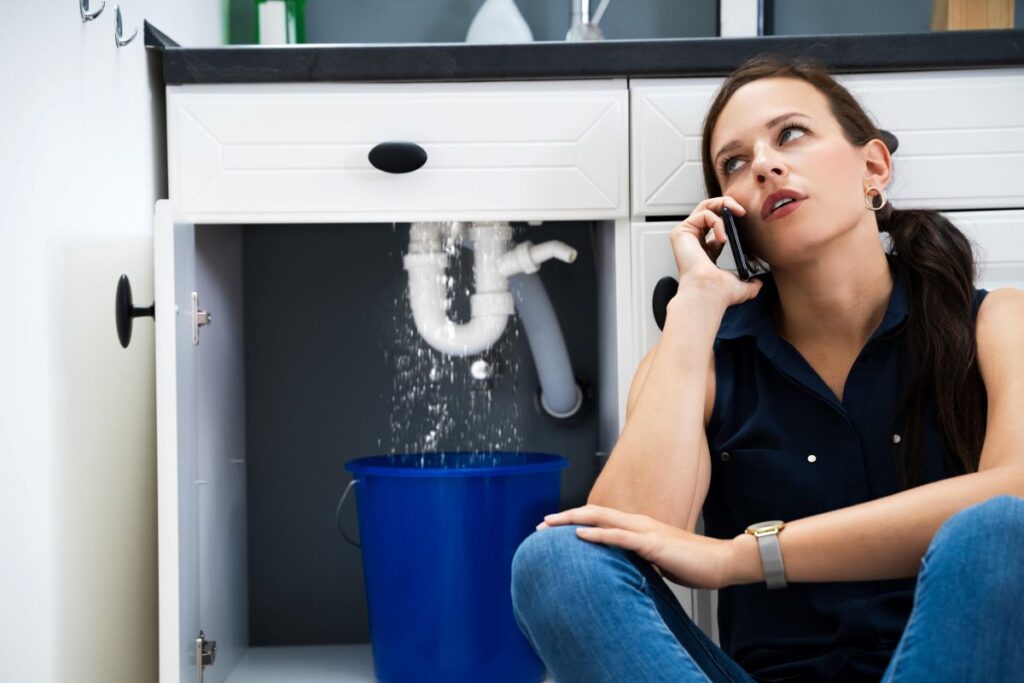
The cabinet under the sink is the most vulnerable spot in any kitchen. No airflow. Water gets in and just sits there. Day after day. The damage gets worse fast.
Keep the humidity in your kitchen between 35-50%. At any home improvement store, a small humidity monitor can be purchased for around $15. It’s a low cost remedy to save you from costly repairs.
Signs water damage is happening:
- Cabinet doors or drawers look swollen or warped
- Dark staining at the bottom of the cabinet
- Laminate starting to lift or bubble
- Panels feel soft when you press on them
- A smell that won’t go away no matter how much you clean
Heat and Fire Damage
Cabinetry above the stove or next to the oven suffers from heat every single day. Over time, finishes turn yellow or dark. The glue behind laminate softens and lets go. Wood dries out and cracks. It happens slowly — and then one day it looks really bad.
Fire is different. Even a small kitchen fire causes extensive damage you can’t always see. Heat and smoke go deep into the cabinet material. From the outside everything might look okay. But the structure is often compromised. If there’s been any fire in your kitchen, have someone check the cabinets properly before assuming they’re fine. In most cases after a fire, the cabinets need to come out.
Mold Growth
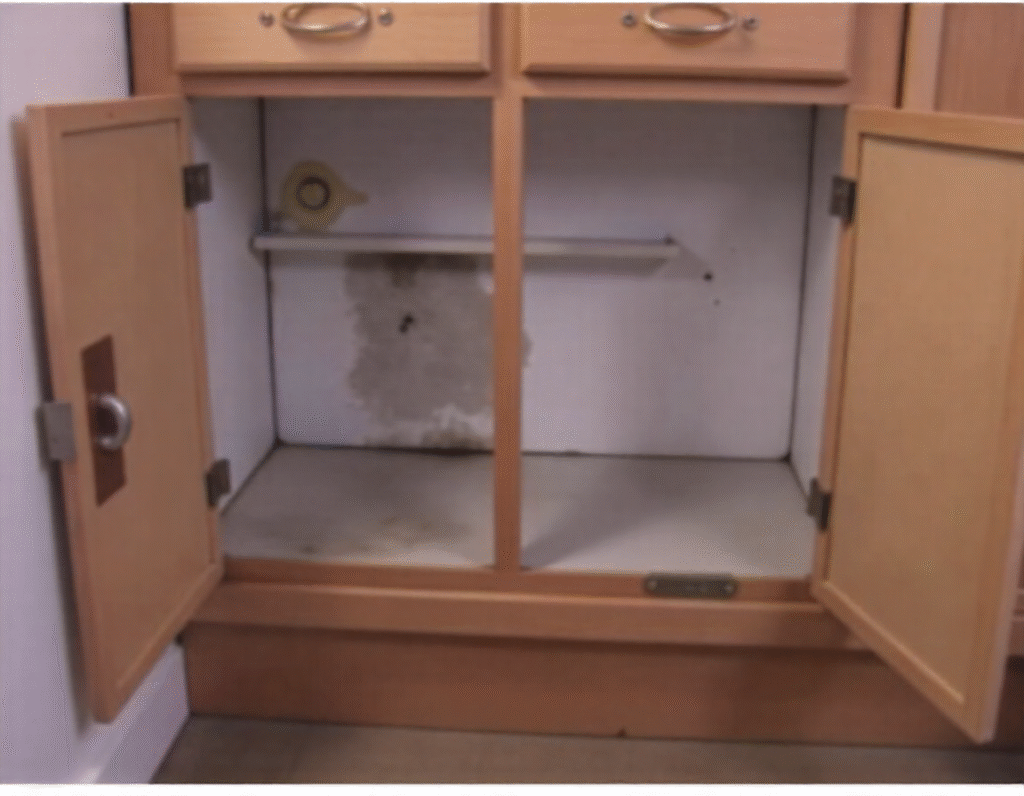
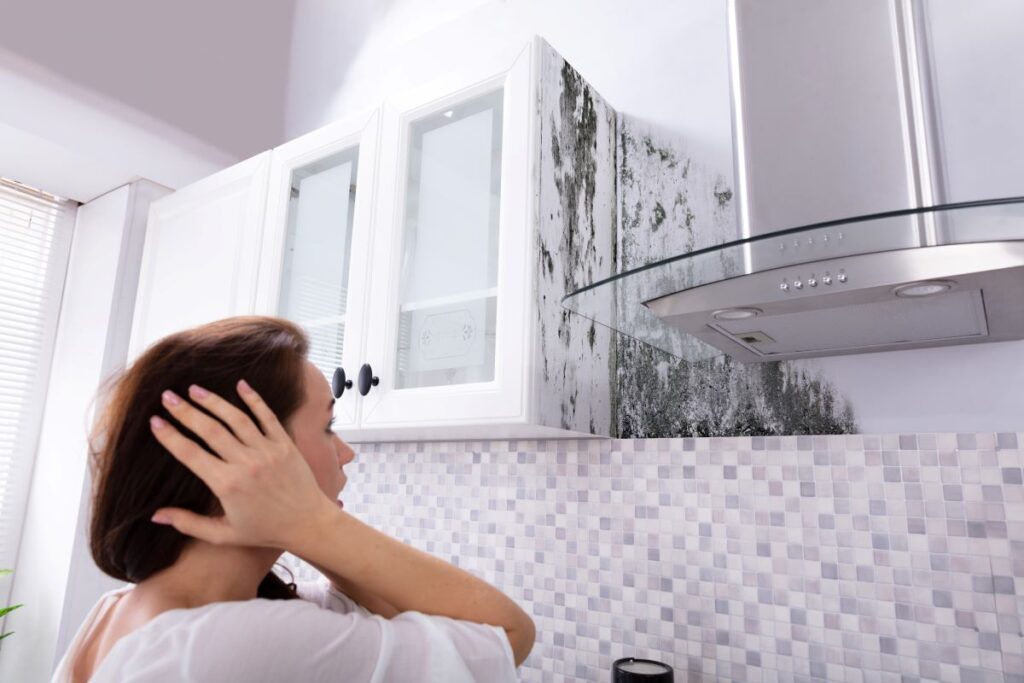
Mold is a big problem in NYC and NJ kitchens — especially in summer when humidity gets high. It doesn’t take much. A slow leak. Poor ventilation. A spill that didn’t get cleaned up properly. A few days later, and they all create the mold.
How to spot it:
- Dark or greenish discolored marks inside the cabinet, particularly under the sink.
- Smells that remain even after cleaning
- More sneezing or itchy eyes than usual when you’re in the kitchen
Mold doesn’t fix itself. Wiping it with a regular cleaner might make it look gone for a week. Then it comes back — because the moisture that caused it is still there. This needs a proper fix, not a quick clean.
Physical Impact and Daily Wear
This type of damage builds up quietly over years. No single moment stands out. It just accumulates, but many common cabinet problems can be repaired without replacing the entire unit.
Slamming Cabinet doors – each slam causes the wood around the hinges to crack a bit further and the hinges to loosen slightly.
Excessive weight on shelves – heavy pots and stacked cans cause the shelves to sag and joints to crack.
Dropping something heavy against a door — dents and cracks happen fast
Yanking drawers open — wears out the slides and throws off alignment over time
These feel like small things. But the stress travels. What starts as a loose hinge can work its way into the cabinet frame if you ignore it long enough.
Other Causes
Cleaning with improper products — Bleach and harsh scrubbers ruin the finish of your cabinets. Moisture will penetrate the wood or particleboard below right away.
Too much sun — South and west-facing kitchens are exposed to a lot of direct sunlight. The white cabinets turn yellow. Wood finishes fade. It happens slowly but it adds up over a few years.
Bugs — Termites and wood-boring beetles are far more prevalent in older NYC and NJ buildings than they are believed to be. When you see it the damage has already been done!
Signs Your Cabinets Are Damaged
Visible Signs
- Doors or drawers that have bowed or warped out of shape
- Shelves that look puffed out or swollen
- Dark stains. Discoloration. Yellowing. Or patches where the color looks uneven
- Paint, laminate, or thermofoil are peeling away from the surface
- Cracks along the corners or joints of the cabinet doors
Structural Signs That Mean Serious Trouble
These go beyond looks. If you’re seeing any of these, get someone out to check it:
- Doors that won’t close or sit crooked in the frame
- Shelves that sag even without much weight on them
- Hinges that are loose and won’t tighten back up
- Panels that feel soft or spongy when you press them
- The whole cabinet shifts or wobbles when you touch it
Water Leaks and Moisture Damage Warning Signs
| Warning Sign | What It Means |
|---|---|
| Dark staining at the cabinet base | Water has been sitting at the bottom |
| Bubbling or lifting laminate | Moisture is getting under the surface |
| Swollen drawer fronts | The wood or MDF has soaked up water |
| Musty smell inside the cabinet | Moisture is trapped — mold may have started |
| White chalky residue | Minerals left behind from evaporated water |
| Soft panels near the sink | Particleboard or MDF is breaking down |
| Seeing more than one of these at the same time usually means the damage is worse than what’s visible on the surface. |
Repair vs. Replacement — How to Decide
This is the question we hear most. Here’s how we look at it. There are several important considerations when deciding between repair and replacement.
When Repair Is the Right Call
- The cabinet damage is only on the surface — scratches, stains, small areas of peeling
- Water cabinet damage was caught early and the entire cabinet box is still solid
- The hinges or hardware are broken but the frame is fine
- Cabinets are solid wood or plywood — both can be restored well
When Replacement with New Cabinets Makes More Sense
- The cabinet box itself is soft, completely crumbling, or can’t hold weight
- Mold has spread deep into the cabinet walls
- There’s been fire damage — even if it looks minor from outside
- The cabinet materials are particleboard or MDF and have taken on serious water
- Fixing them would cost more than 60 to 70 percent of just getting new ones
We always give you an honest answer on this. If repair makes sense, we’ll say so. If it doesn’t, we’ll tell you that too.
What Things Cost in NY & NJ
| Service | Typical Cost Range |
|---|---|
| Minor surface repairs and touch-ups | $130 – $500 |
| Hinge and drawer slide replacement | $150 – $400 |
| Cabinet door repair or replacement | $200 – $600 per door |
| Water damage fixtures (early) | $300 – $900 |
| Water damage restoration (advanced) | $900 – $2,500+ |
| Mold remediation and restoration | $500 – $3,000+ |
| Cabinet refacing | $4,500 – $10,000 |
| Full kitchen cabinet replacement | $5,000 – $20,000+ |
These are real ranges for the NY and NJ market. Your exact cost depends on how bad the damage is, how many cabinets are affected, and what they’re made of. The only way to get a real number is to have someone look at it. We do free estimates — no commitment, no pressure.
Water Damage to Kitchen Cabinets — A Closer Look
Water damage is the most common thing we deal with, and fixing water damaged cabinets properly requires understanding both the materials and the source of the leak. So it’s worth going deeper on this one.
How Different Materials Respond to Water
Solid wood — Swells and warps but can often be dried out and fixed if you catch it early
Plywood — Handles water better than most. Can delaminate if it gets really wet but generally repairable
MDF — Soaks up water fast and swells permanently. Usually needs replacing
Particleboard — Worst of all. Even a moderate amount of water causes it to break down. Replacement is almost always the answer
The Professional Restoration Process
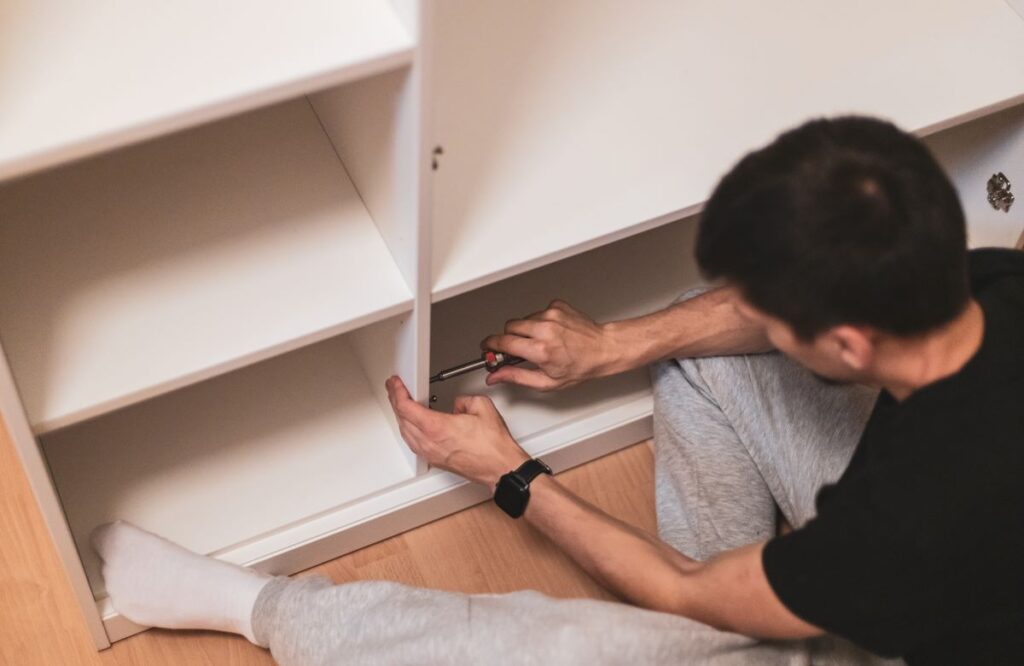
Step 1 — Assessment We see all — not just what’s in sight. We inspect the cabinet material in detail. The extent of the damage and if there is any mold growth and the cause of the water leakage in the cabinet.
Step 2 — Fix the Source No point fixing the cabinets if the leak is still going. We make sure the water problem is resolved before any restoration work starts.
Step 3 — Controlled Drying This part matters more than most people realize. Dry the cabinets too fast and the wood warps. Too slow and mold grows. Getting this right takes the right equipment and experience.
Step 4 — Repair or Replace What’s Damaged Depending on what we find, we repair surfaces, swap out damaged panels or cabinet boxes, refinish, and replace hardware.
Step 5 — Back to Pre-Loss Condition The goal is simple — your cabinets should look and work the way they did before any of this happened. Matched finishes, solid structure, quality workmanship, and working hardware.
Cabinet Damage Repair Services in NYC & NJ
| Service | What’s Included |
|---|---|
| Kitchen cabinet repair services | Scratches, stains, peeling, color matching |
| Hinge and hardware repair | Worn hinges, drawer slides, handles |
| Water damage restoration | Drying, structural check, panel damage repair or swap |
| Mold remediation | Full removal and restoration of affected areas |
| Cabinet refacing | New doors, drawer fronts, veneer on existing boxes |
| Full cabinet installation | Old cabinets out, new ones installed |
| Countertop work | Done alongside cabinet damage repair or replacement |
We work with homeowners and customers across
Brooklyn
Queens
Manhattan
the Bronx
Staten Island
Bergen County
Essex County
Hudson County
Passaic County
Union County.
Frequently Asked Questions
Can water damaged cabinets be repaired?
Absolutely— if you catch it early enough and the cabinet box is still solid. Solid wood and plywood do well with restoration. Particleboard and MDF that have soaked up a lot of water usually need replacing. A free look from All One Kitchen will tell you exactly where things stand.
How much does cabinet repair cost in NY and NJ?
Small repairs start around $130. Water damage restoration runs from $300 up to $2,500 or more depending on how bad it is. Full cabinet replacement in NYC and NJ typically falls between $5,000 and $20,000. We give you a full breakdown before any work starts.
What cabinet materials hold up best?
Solid wood and plywood. They are the most durable and easiest to repair. While, particleboard and MDF swell when wet. They can't be restored. Thermofoil also peels badly near heat sources.
Is cabinet damage covered by insurance?
A burst pipe that damages your cabinets — usually covered. A slow leak you didn't fix for months — usually not. Fire damage is generally covered. Wear and tear never is. If you're filing a claim, having a professional document the damage first makes a real difference.
How do I know if there's mold in my cabinets?
Look inside the cabinet. Especially under the sink. A smell even after cleaning is a strong sign. Don't try to handle mold yourself. Get it properly checked and treated.